
 07 3555 6333
Commercial Lease Rent Reviews and Outgoings: What Changed in Queensland?
Your landlord sends through an annual rent increase, followed by an outgoings bill that's higher than expected. You check your lease but aren't sure whether the charges are correct.
If you're leasing commercial premises in Queensland, changes to property law may have affected your rights and obligations.
The Property Law Act 2023 (Qld) came into play on 1 August 2025, introducing updated provisions for commercial leases, including standard terms covering outgoings and rent relief. However, rent reviews remain largely governed by individual lease agreements, while retail shop leases have additional protections.
A commercial lease can be confusing, and it makes sense to work with a lease-focused lawyer who can explain it in detail and ensure it reflects your best interests. In the meantime, here’s some information to get you started:
Commercial lease changes in Qld: What you need to know
- Queensland's Property Law Act 2023 commenced on 1 August 2025, introducing standard terms for certain commercial leases.
- Rent reviews are generally governed by the lease, with additional restrictions applying to retail shop leases.
- Outgoings may include rates, insurance and maintenance, but landlords cannot automatically recover every expense.
- Retail shop tenants have additional protections, including disclosure requirements, limits on recoverable expenses and annual outgoings statements.
- Landlords and tenants should review their lease terms before accepting rent increases, paying disputed outgoings or claiming rent relief.
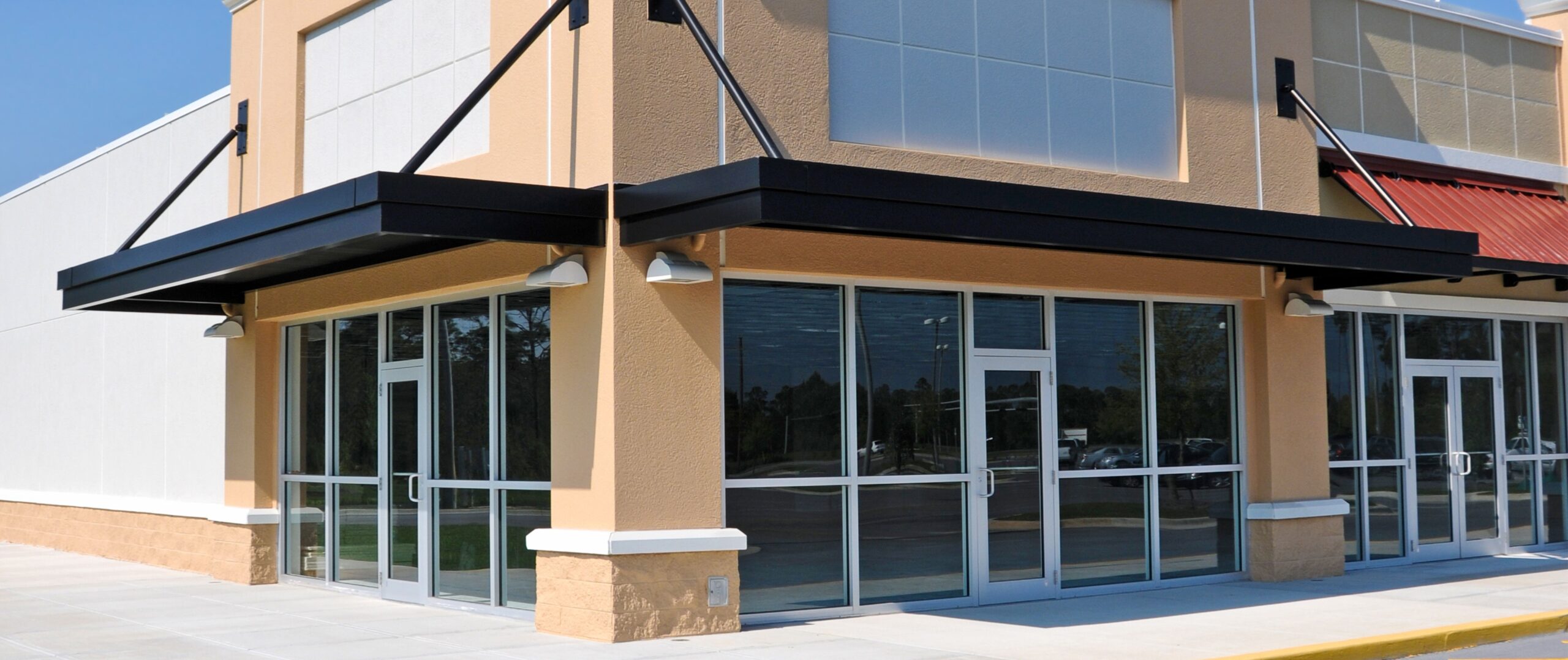
What changed under the Property Law Act 2023?
The Property Law Act 2023 replaced Queensland’s previous property law legislation and introduced updated rules affecting commercial leases.
One important change is the inclusion of standard lease terms in Schedule 1 of the Act.
Under section 139, these terms generally apply to leases granted on or after 1 August 2025 unless the parties validly agree otherwise. They cover matters such as rent payments, property maintenance, certain rates and taxes, and rent relief following damage to the premises.
For leases entered into before that date, the position can differ. Some other provisions of the new Act apply to existing leases, but the Act’s commencement doesn’t automatically rewrite every older agreement.
The Queensland Small Business Commissioner provides an overview of the changes and explains why landlords and tenants should review their lease arrangements.
The key point is that the Act provides a legal framework, but the terms of your particular lease still matter.
How do commercial lease rent reviews work?
Rent reviews allow landlords to adjust rent at specified times using methods agreed in the lease.
Common methods include:
- Fixed percentage: An agreed increase, such as 3 per cent.
- Consumer Price Index (CPI): Adjustments based on an agreed inflation index.
- Market rent: Assessments against comparable commercial properties.
- Fixed amount: A specified dollar increase.
For non-retail commercial leases, the agreement generally determines the timing and calculation method.
The Property Law Act 2023 doesn't impose a universal rent increase percentage or automatically permit annual increases.
What about retail shop leases?
The Retail Shop Leases Act 1994 (Qld) provides additional protections.
Retail leases must specify rent review timing and methods. Reviews generally cannot occur more than once annually, subject to exceptions.
The legislation also restricts certain review methods, including clauses allowing landlords to select whichever calculation produces the highest rent.
Read our guide to Queensland's Retail Shop Leases Act for further information.
What are commercial lease outgoings?
Outgoings are property expenses tenants may contribute towards in addition to rent.
Depending on the lease, these can include:
- Council rates and water charges
- Building insurance
- Common area cleaning and maintenance
- Certain property management expenses
- Landscaping and shared facilities
However, landlords cannot automatically pass every expense on to tenants. Recoverable charges depend on the lease and applicable legislation.
How does the new Act affect outgoings?
Schedule 1 includes a default provision concerning taxes, rates and assessments.
Unless validly varied or excluded, tenants contribute proportionately based on the area leased compared with the land subject to the assessment.
This doesn't mean every tenant must pay a fixed percentage of all building expenses. Individual agreements and statutory restrictions remain important.
What happens when estimated outgoings differ from actual costs?
Some leases require regular payments based on estimated annual expenses.
After reconciliation, tenants may owe additional money if actual costs exceed estimates. Alternatively, an adjustment or credit may apply.
The process depends on the lease and relevant legislation.
The Queensland Small Business Commissioner provides further guidance on non-retail outgoings.
What additional protections apply to retail shop outgoings?
Retail shop leases have stricter requirements under the Retail Shop Leases Act 1994, including:
- Disclosure: Leases must identify recoverable outgoings and calculation methods.
- Apportionment: Shared expenses must follow statutory requirements.
- Annual estimates: Landlords must generally provide estimates before the relevant period.
- Audited statements: Annual statements are generally required within three months after the accounting period.
- Excluded expenses: Certain costs, including land tax and specified capital expenditure, cannot be recovered.
These protections aren't overridden by the Property Law Act 2023.
What should you check before accepting additional charges as a commercial tenant?
Before accepting a rent increase or outgoings bill as a tenant, check:
- Whether your lease is retail or non-retail.
- The rent review timing and calculation method.
- Which outgoings are recoverable.
- How shared expenses are apportioned and reconciled.
- Whether Schedule 1 standard terms apply.
Request clarification in writing if charges appear inconsistent with your agreement.
Get commercial lease advice from NPR Law
Rent reviews and outgoings can significantly affect the costs involved with running your business.
NPR Law's commercial leasing lawyers support landlords and tenants across Caboolture, Moreton Bay and surrounding areas with lease reviews, negotiations and disputes.
Understanding Commercial Leasing: NPR Law can help
If you have any questions or would like expert assistance to review, negotiate or create a commercial lease, call us on 07 3555 6333 or contact our property law specialists here.